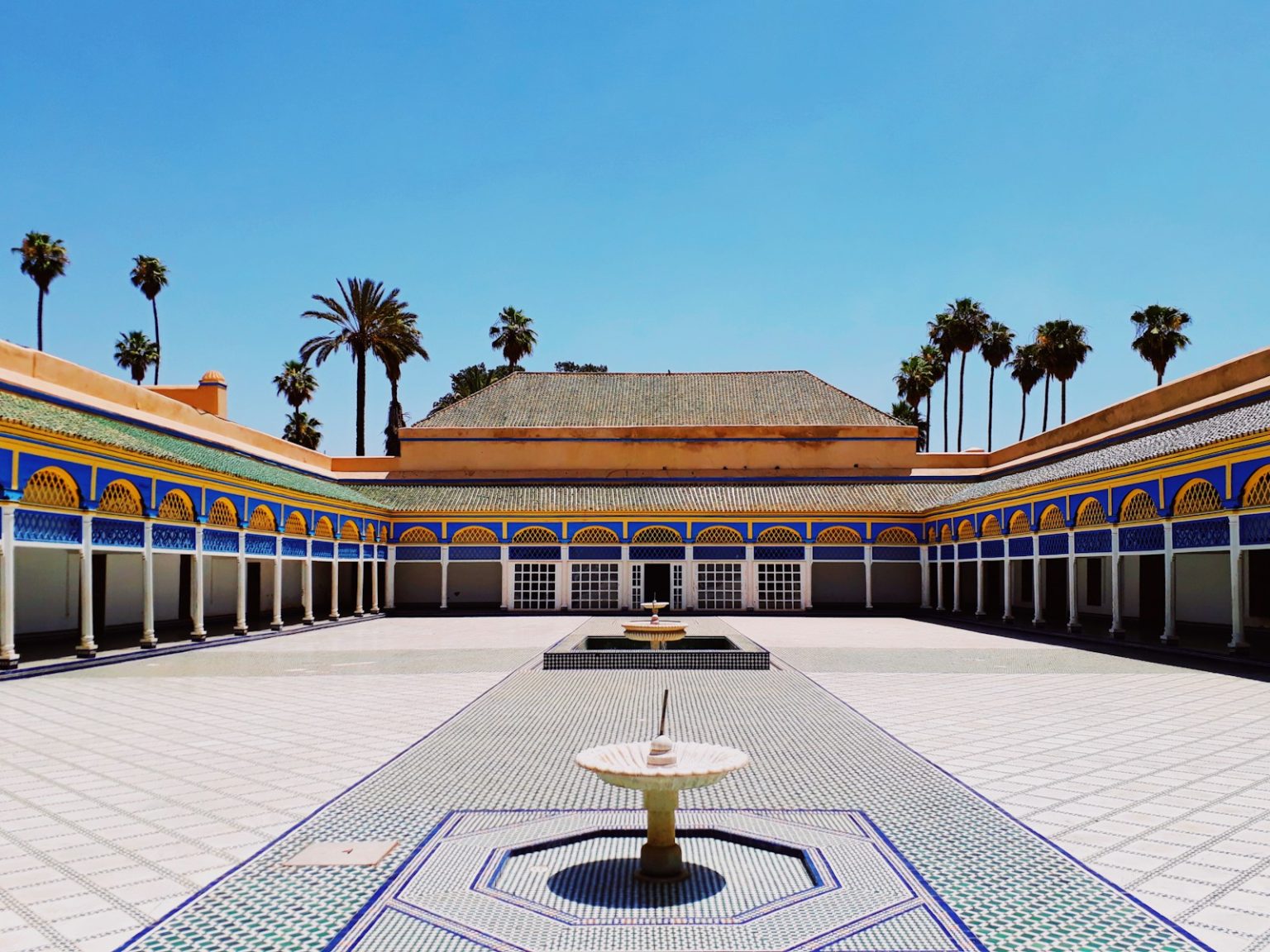
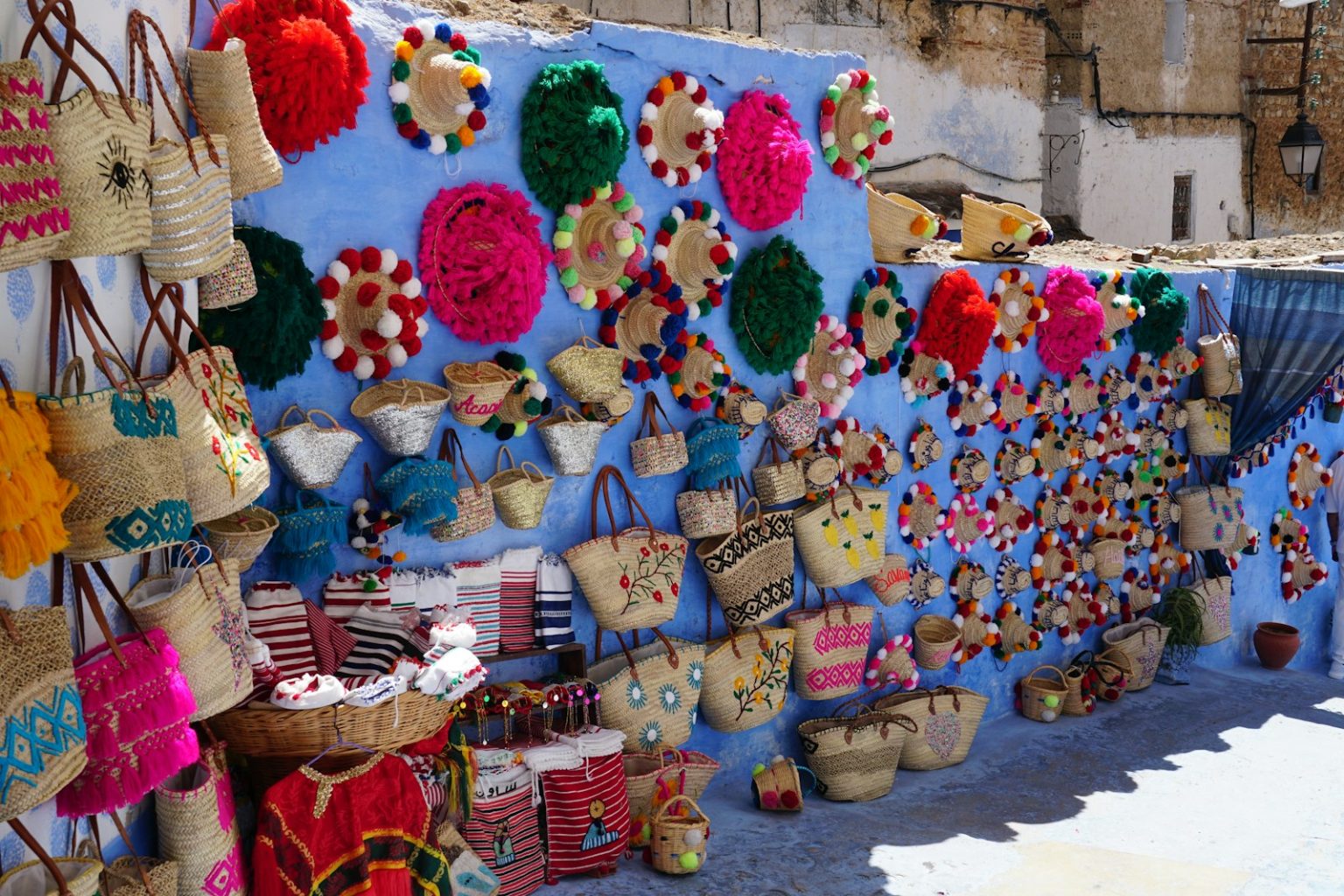
This six-day Imperial Cities tour from Casablanca offers a refined journey through the cities that shaped Morocco’s political authority, cultural identity, and architectural heritage. Traveling between the Atlantic coast and the historic heart of the country, the route connects Casablanca, Rabat, Meknes, Fes, and Marrakech, each representing a different chapter of Moroccan history. From royal capitals and scholarly centers to vibrant imperial medinas, the journey reveals how dynasties, trade routes, and craftsmanship have influenced urban life for centuries. Designed for travelers seeking cultural depth rather than rushed sightseeing, this experience allows time to understand the rhythm of each city and the traditions that continue to define Moroccan society today.
Highlights: 6 days imperial cities tour from Casablanca
- Discover Casablanca’s Atlantic heritage and the Hassan II Mosque
- Explore Rabat, Morocco’s capital of royal and administrative history
- Experience the monumental imperial legacy of Meknes
- Walk through the medieval medina of Fes, Morocco’s spiritual heart
- Visit traditional souks, madrasas, and artisan quarters
- Cross regional landscapes linking northern and central Morocco
- Conclude the journey in Marrakech, the Red City and former imperial capital
Itinerary: 6 days imperial cities tour from Casablanca
Day 1 – Casablanca to Rabat: From Economic Capital to Royal City
The journey begins with a morning departure from Casablanca, Morocco’s largest city and economic center, shaped by Atlantic trade and modern urban life. Leaving the bustling avenues behind, the road follows the coastline northward, revealing changing landscapes where ocean views, residential neighborhoods, and agricultural fields blend naturally.
Upon arrival in Rabat, the atmosphere becomes calmer and more refined. As Morocco’s current capital, Rabat reflects political stability and royal heritage rather than commercial intensity. The city’s history spans Roman times, Almohad rule, and the modern monarchy, all visible in its urban design. Landmarks such as the Hassan Tower and the Mausoleum of Mohammed V symbolize continuity between past and present, while the Kasbah of the Oudayas preserves Andalusian influences within its quiet streets overlooking the Atlantic.
The day offers an introduction to Morocco’s imperial legacy, highlighting how Rabat developed as a city of governance, culture, and balanced living. Overnight in Rabat.
Day 2 – Rabat to Meknes: Imperial Vision and Monumental Heritage
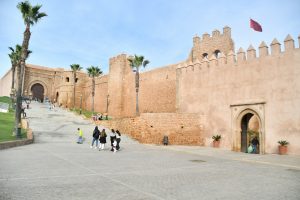
After breakfast, the journey continues inland toward Meknes, crossing fertile plains that once supplied Morocco’s imperial capitals with grain and olives. These lands reflect the strategic importance of agriculture in sustaining royal cities and large populations. Meknes emerges behind long defensive walls, a city shaped by the ambition of Sultan Moulay Ismail in the 17th century. Determined to create a capital that rivaled the great cities of the Islamic world, he transformed Meknes into a monumental imperial center.
Massive gates such as Bab Mansour, vast royal granaries, and fortified stables reveal a city designed for power, control, and permanence. Yet beyond its monuments, Meknes retains a calm, authentic atmosphere, where local life continues at a measured pace. The medina reflects traditional Moroccan urban planning, with markets, mosques, and residential quarters organized around communal life. Overnight in Meknes or nearby.
Day 3 – Meknes to Fes: From Imperial Authority to Spiritual Capital
A short drive leads to Fes, a city whose influence was built not through military power but through knowledge and faith. Founded in the 9th century, Fes became a destination for scholars, theologians, and craftsmen from across North Africa and Andalusia. Upon arrival, the contrast with Meknes is immediate. Fes feels inward-looking, dense, and deeply rooted in tradition.
The city’s medina, Fes el-Bali, remains one of the world’s largest living medieval cities. Behind its walls, daily life unfolds much as it did centuries ago. The architecture emphasizes privacy and community, with hidden courtyards and narrow streets designed for shade and social interaction. The evening is spent in a traditional riad, offering a peaceful retreat within this historic environment. Overnight in Fes.
Day 4 – Fes: A Day Inside Morocco’s Cultural Soul
This day is dedicated to exploring Fes in depth with a local guide. Walking through the medina reveals a complex social and economic system preserved over generations. Al Quaraouiyine University stands as a symbol of intellectual continuity, while madrasas reflect the importance of education in Moroccan society.
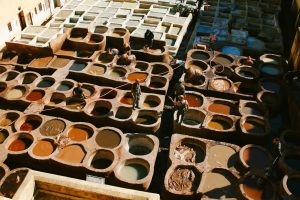
Traditional souks display a remarkable diversity of crafts, including metalwork, ceramics, wood carving, and leather tanning. The famous tanneries, operating with natural dyes and centuries-old techniques, illustrate how craftsmanship remains integrated into everyday life rather than staged for visitors. Fes is not frozen in time; it is a city where history breathes through routine, prayer, and work. Overnight in Fes.
Day 5 – Fes to Marrakech: Crossing Regions and Traditions
Leaving Fes, the journey heads south across central Morocco, passing landscapes that connect the north to the heart of the country. Along the way, small towns and rural communities reflect the diversity of Moroccan regional life. Agriculture, trade, and local customs vary subtly from region to region, shaped by climate and geography.
Arrival in Marrakech marks a shift in energy. Founded in the 11th century as an imperial capital, Marrakech developed as a crossroads between the Atlas Mountains, the Sahara, and the Atlantic plains. The city’s warm tones, palm groves, and open spaces contrast sharply with the dense streets of Fes. Overnight in a riad within the medina.
Day 6 – Marrakech: Imperial Grandeur and Living Traditions
The final day explores Marrakech, often described as the beating heart of Morocco. The medina reveals layers of imperial history through palaces, mosques, and gardens built by successive dynasties. Jemaa el-Fna square embodies Morocco’s oral traditions, where storytellers, musicians, and performers animate the city from morning until night.
The souks surrounding the square form a vast network of workshops and markets, continuing Marrakech’s historical role as a trading hub. Everyday life unfolds alongside history, creating a city that is constantly moving yet deeply anchored in tradition. The tour concludes in Marrakech, leaving travelers with a rich understanding of Morocco’s imperial heritage and cultural diversity.
What’s Included
- Private transportation in an air-conditioned vehicle
- Professional driver-guide throughout the tour
- Accommodation in selected hotels and traditional riads
- Daily breakfasts during the tour
- Local guided tours in Fes and Marrakech
- Airport or hotel pickup and drop-off
- Fuel, road tolls, and transportation logistics
What’s Excluded
- International and domestic flights
- Lunches and drinks
- Entrance fees to monuments and museums
- Personal expenses and optional activities
- Tips for guides, drivers, and hotel staff
Book this tour
Booking your Imperial Cities tour from Casablanca is simple and flexible. Contact us with your preferred travel dates, number of participants, and any special interests, and our team will design the itinerary to match your expectations