This 7 days tour From Casablanca to Marrakech is designed as a deep cultural passage rather than a simple route between cities. Starting on the Atlantic coast and traveling through imperial capitals, mountain regions, desert oases, and historic trade corridors, the tour reveals how Morocco’s geography has shaped its people, architecture, and traditions over centuries. From the intellectual heritage of Fes to the silence of the Sahara and the vibrant life of Marrakech, each stage uncovers a different layer of Moroccan identity. This experience offers travelers an authentic understanding of daily life, craftsmanship, history, and cultural diversity, guided by landscapes that change dramatically from coast to desert and from mountains to palm-filled valleys.
Highlights: 7 days tour From Casablanca to Marrakech
- Explore Casablanca’s Atlantic heritage and the iconic Hassan II Mosque
- Discover Fes, Morocco’s spiritual and intellectual heart, with its ancient medina
- Cross the Middle Atlas Mountains and traditional Berber regions
- Experience a camel trek and overnight stay in the Sahara Desert
- Walk through Todra Gorges and the historic Dades Valley
- Visit Ait Ben Haddou, a UNESCO-listed kasbah on ancient caravan routes
- Cross the High Atlas Mountains via historic mountain passes
- End the journey in Marrakech, a city of imperial history and living traditions
Itinerary: 7 days tour From Casablanca to Marrakech
Day 1 – Casablanca: Atlantic Heritage and Modern Morocco
Your journey begins in Casablanca, Morocco’s largest city and economic heart, where Atlantic winds, colonial history, and contemporary life intersect. Unlike the imperial cities shaped primarily by dynasties and sultans, Casablanca grew as a port city, influenced by maritime trade, European architecture, and modern urban planning. Walking along its wide boulevards and oceanfront corniche reveals a city constantly evolving, yet deeply anchored in Moroccan identity. The Hassan II Mosque, rising dramatically above the Atlantic Ocean, embodies this balance. Built by master artisans using traditional Moroccan craftsmanship, it stands as one of the largest religious monuments in the world and a symbol of faith, artistry, and national pride. Overnight in Casablanca, where the rhythm of the ocean sets the tone for the journey ahead.
Day 2 – Casablanca to Fes: From Coastal Plains to the Intellectual Capital
Leaving Casablanca, the road moves inland across vast agricultural plains that have sustained Moroccan civilization for centuries. These fertile lands reflect the importance of farming, trade, and rural life in shaping the country’s social fabric. As you approach Fes, the atmosphere subtly changes. Founded in the 9th century, Fes emerged as Morocco’s spiritual and intellectual capital, attracting scholars, theologians, and artisans from across the Islamic world. Arrival in the late afternoon allows time to settle into a traditional riad, often hidden behind modest doors that open onto serene courtyards. This architectural style reflects the Moroccan philosophy of privacy, balance, and inner harmony, preparing you for a deeper cultural immersion the following day.
Day 3 – Fes: A Living Medieval City
Fes is not simply visited; it is experienced. Inside the walls of Fes el-Bali, one of the world’s largest and best-preserved medieval cities, daily life continues much as it has for over a thousand years. The medina is a labyrinth of narrow streets where donkeys still transport goods and craftsmen work by hand using techniques passed down through generations. The city is home to Al Quaraouiyine University, considered the oldest continuously operating university in the world, reflecting Fes’s role as a center of knowledge and religious learning. Madrasas, fountains, tanneries, and souks reveal the social organization of traditional Moroccan cities, where education, worship, trade, and community life were intricately connected. Every corner tells a story of scholarship, devotion, and craftsmanship.
Day 4 – Fes to Merzouga: From the Middle Atlas to the Sahara
The journey south begins early, crossing the Middle Atlas Mountains, a region shaped by forests, highland pastures, and Berber villages. Cedar forests near Azrou shelter Barbary macaques and reflect a landscape where nature and rural life coexist. Villages along the route reveal a culture deeply tied to seasonal rhythms, agriculture, and communal traditions. As the road descends toward the Ziz Valley, palm groves appear, marking the transition to pre-Saharan environments. These oases were historically vital stops along caravan routes connecting sub-Saharan Africa with northern Morocco. By late afternoon, the dunes of Erg Chebbi rise near Merzouga, announcing the Sahara Desert. A camel trek across the sand at sunset is both a physical journey and a symbolic passage into a timeless world shaped by silence, stars, and nomadic heritage. Overnight in a desert camp, where music, storytelling, and hospitality reflect the soul of desert life.
Day 5 – Merzouga to Dades Valley: Desert Communities and Mountain Valleys
After sunrise in the Sahara, the journey continues westward through landscapes shaped by water and stone. The Todra Gorges emerge as towering natural corridors, where sheer cliffs shelter traditional villages built directly into the rock. These settlements reflect centuries of adaptation to harsh environments, using local materials and collective knowledge to survive. Continuing through the Valley of Roses, the land becomes greener, nourished by rivers and seasonal cultivation. This region is known for its rose harvest, which supports local cooperatives and traditional perfume production. In the Dades Valley, kasbahs and earthen homes blend seamlessly into the red and ochre cliffs, illustrating a unique architectural heritage rooted in function, climate, and community.
Day 6 – Dades Valley to Marrakech: Caravan Routes and Imperial Power
Crossing the High Atlas Mountains follows ancient caravan paths once used by traders carrying gold, salt, and spices between Africa and the Mediterranean. Along the way, fortified villages and kasbahs testify to the strategic importance of controlling these routes. Ait Ben Haddou stands as the most iconic example, a UNESCO World Heritage site built from clay and straw, designed to protect families and goods from both climate and conflict. Its architecture reveals how desert societies balanced defense, trade, and communal living. Descending toward Marrakech, the landscape opens into plains, signaling entry into one of Morocco’s great imperial cities, long associated with power, commerce, and cultural exchange.
Day 7 – Marrakech: Imperial Legacy and Living Traditions
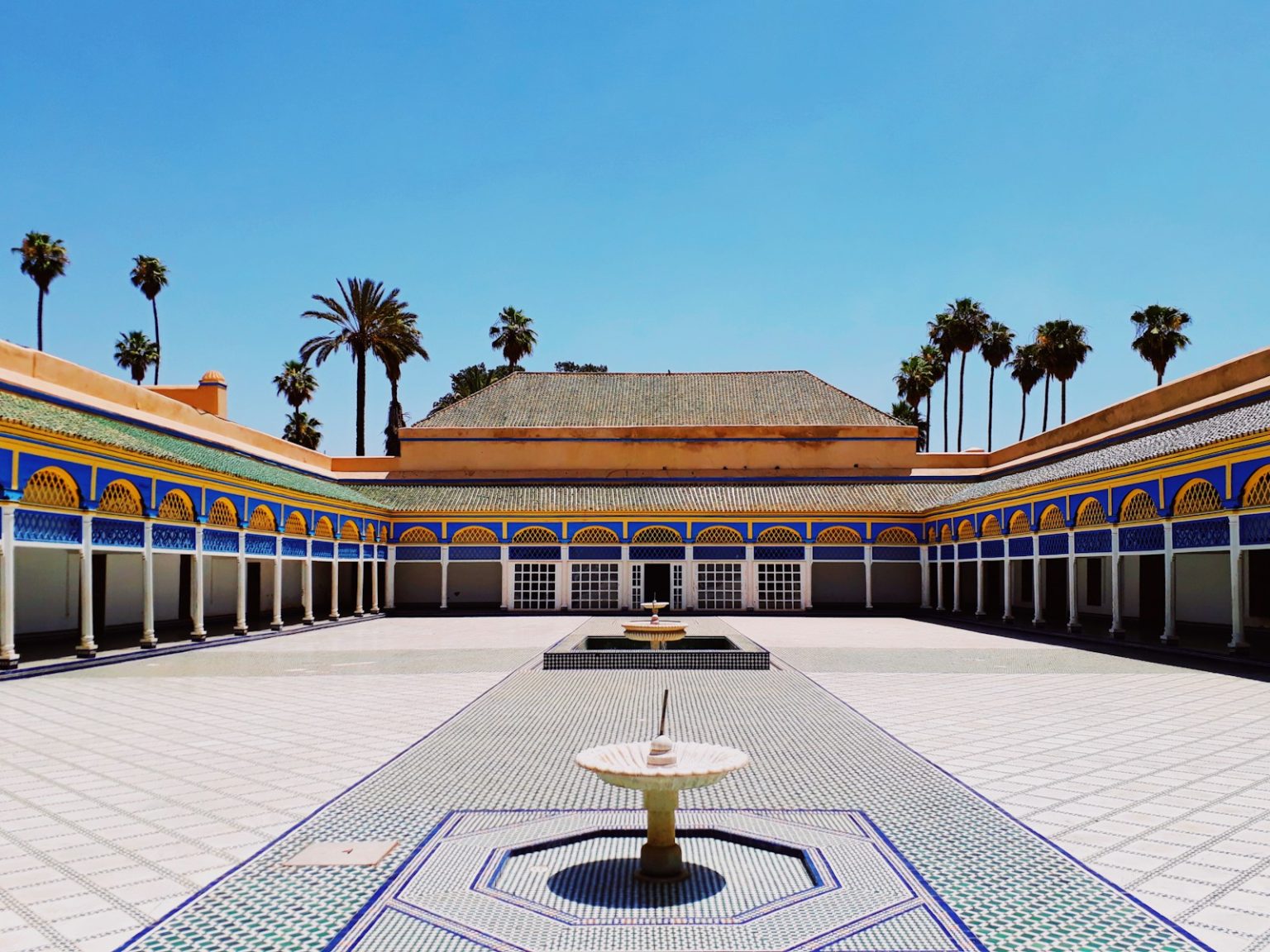
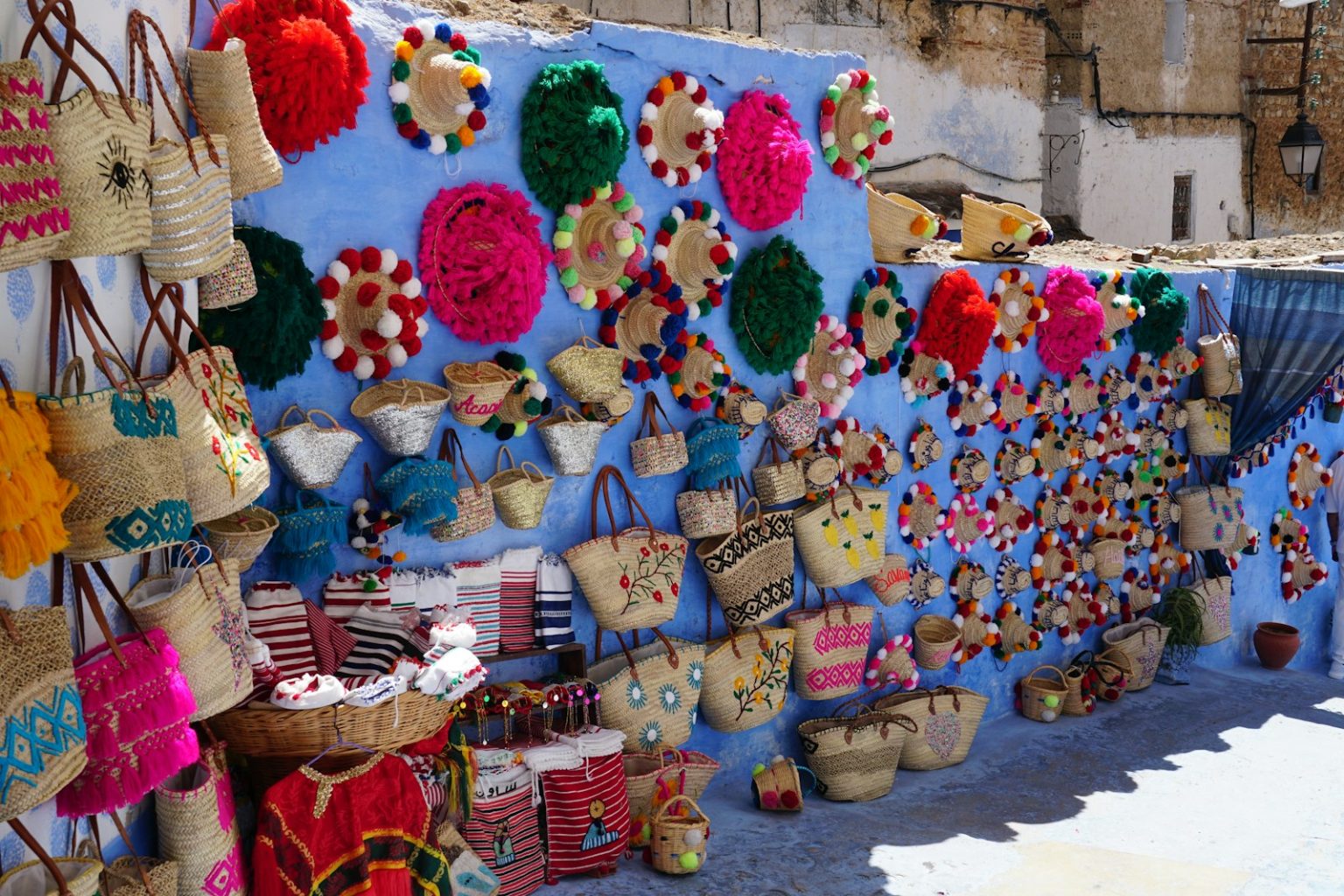
Marrakech brings the journey to a vibrant conclusion. Founded in the 11th century, the city became a political and cultural capital under powerful dynasties. Today, its medina remains a living space where history and daily life intertwine. Palaces, mosques, and gardens recall imperial grandeur, while Jemaa el-Fna square embodies Morocco’s oral traditions through storytellers, musicians, and performers. The souks reflect centuries of trade, offering spices, textiles, metalwork, and woodcraft. Marrakech is not defined by monuments alone, but by energy, movement, and continuity, gathering the diverse identities of Morocco into one unforgettable experience.
What’s Included
- Private air-conditioned transportation with an experienced driver-guide
- Accommodation in carefully selected riads, hotels, and a desert camp
- Daily breakfast throughout the tour
- Dinners in the Sahara Desert camp and selected valley locations
- Camel trek at sunset and sunrise in the Sahara Desert
- Guided cultural tours in Fes and Marrakech
- Airport or hotel transfers at arrival and departure
- All fuel, road tolls, and transportation logistics
What’s Excluded
- International and domestic flights
- Lunches and beverages
- Entrance fees to monuments and attractions
- Personal expenses and optional activities
- Tips for guides, drivers, and hotel staff